
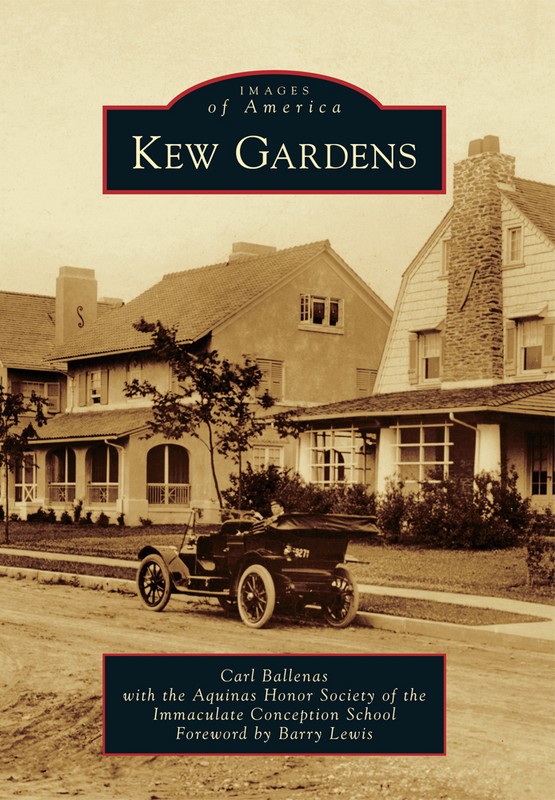
Kew Gardens, New York, Images of America, Paperback
Kew Gardens, New York, Images of America, Paperback Kew Gardens, Queens, evolved with the dawn of the 20th century. The lush, hilly terrain--"the backbone of Long Island"--is situated north of the Victorian village of Richmond Hill. In 1910, Alrick Hubble Man noted the 1909 completion of the Queensborough Bridge and envisioned a modern sister community to Richmond Hill in this northern terrain. He developed Kew Gardens, offering people the ability to have homes in an area of breathtaking country beauty while continuing to work in the city. The century-old Kew Gardens Civic Association, formed in 1914, remains a vibrant, active organization. Its members were a large force behind the advancements in Kew Gardens; in 1915, they fought for underground wiring to prevent the installation of unsightly electric poles, and they continue to serve the community today.
Specifications
| Return Shipping Will Be Paid By | Buyer |
| All Returns Accepted | Returns Accepted |
| Item Must Be Returned Within | 30 Days |
| Brand | Unbranded |
| MPN | 9781467120722 |
| Book Title | Kew Gardens |
| Item Length | 9.2in |
| Item Height | 0.3in |
| Item Width | 6.5in |
| Author | Carl Ballenas |
| Format | Trade Paperback |
| Language | English |
| Publisher | Arcadia Publishing |
| Publication Year | 2014 |
| Genre | Photography |
| Item Weight | 0.7 Oz |
| Number Of Pages | 128 Pages |
Kew Gardens, New York, Images of America, Paperback Kew Gardens, Queens, evolved with the dawn of the 20th century. The lush, hilly terrain–«the backbone of Long Island»–is situated north of the Victorian village of Richmond Hill. In 1910, Alrick Hubble Man noted the 1909 completion of the Queensborough Bridge and envisioned a modern sister community to Richmond Hill in this northern terrain. He developed Kew Gardens, offering people the ability to have homes in an area of breathtaking country beauty while continuing to work in the city. The century-old Kew Gardens Civic Association, formed in 1914, remains a vibrant, active organization. Its members were a large force behind the advancements in Kew Gardens; in 1915, they fought for underground wiring to prevent the installation of unsightly electric poles, and they continue to serve the community today.


![Ooo…Poo! by Kreloff, Elliot [Hardcover]](/images/RbQAAOSw7u9nnRCC/Ooo---Poo--by-Kreloff--Elliot--Hardcover.webp)
