

"The Middle of Hell," a World War II Oral History Epic, Hill 122, Normandy WWII
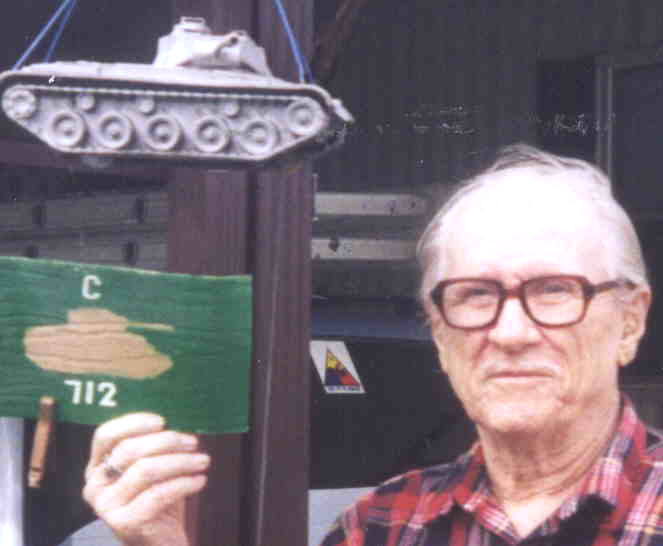
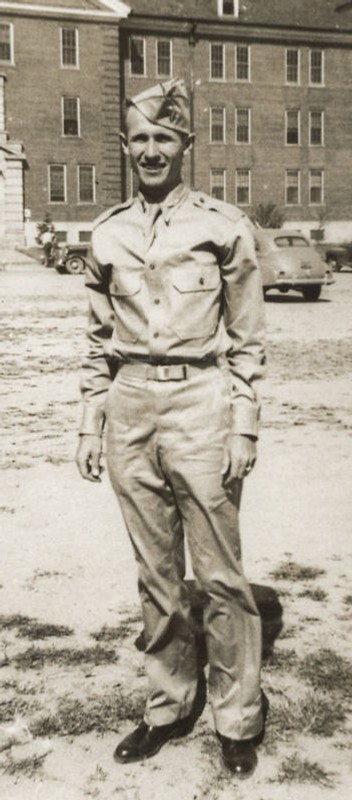
The Middle of Hell a 17-hour, 17-CD oral history epic Lieutenant Jim Flowers commanded a platoon of tanks in C Company of the 712th Tank Battalion. On July 10, 1944, he led four tanks to the rescue of an infantry battalion that was cut off and surrounded by elite German paratroopers at the summit of Hill 122 in Normandy. The back and forth battle for the Foret de Mont Castre, of which Hill 122 was the high point, had been raging for a week. Flowers' tanks broke through the German lines and led K Company of the 2nd Battalion of the 90th Infantry Division's 358th Infantry Regiment down the hill. The infantry company took heavy casualties and dug in at the base of the hill. With poor communication between tankers and infantry, Flowers' tanks kept on going. After crossing a hedgerow and a farm field, the platoon ran into a series of concealed antitank guns. All four tanks were knocked out, with three of them, including Flowers' going up in flames. The shell that penetrated Flowers' tank tore off his right forefoot as he stood on his seat looking out the turret. "I like to dramatize this by saying I'm now standing in the Middle of Hell," Flowers told interviewer Aaron Elson in 1991, "with flames shooting up around me." Despite the flames, Flowers reached down and helped his gunner, Jim Rothschadl, out of the tank. He then fell back into the turret basket, but managed to pull himself out again. Nine of his platoon's 20 crew members were killed, several were wounded and two were captured. Over the next two days, Flowers and Rothschadl, who was badly burned, lay out in no man's land. During that time, 90th Division artillery shelled the area, and a piece of shrapnel tore off Flowers' other foot. He and Rothschadl were rescued the next morning. "The Middle of Hell" might best be described as "Fury" meets "Unbroken." Through interviews with most of the surviving members of Flowers' platoon, oral historian Elson has put together a compelling account of the week of combat leading up to the attack, and the tankers' lives before and after. Elson's first "oral history epic," this collection comprises 17 hours of interviews. These are the veterans you'll meet in "The Middle of Hell: Jim Flowers. My full-length, three-hour, three-CD interview with Flowers is included in my first oral history audiobook, "The Tanker Tapes." I've excerpted a half-hour of that interview along with a brief interview with Claude Lovett, the infantry lieutenant who rescued Flowers after he lay in no man's land for two nights and three days. Jim Rothschadl, Flowers' gunner, who lay out in the field with Flowers, both of them badly burned. Jack Sheppard was the motor officer when, on the battalion's first day in combat, his company commander was injured by a booby trap. Sheppard became the company commander and saw his first, and very nearly his last, combat in a tank when he took part in the assault on Hill 122 and a shell struck the turret of his tank, about a foot from his head. Louis Gerrard was the gunner in the tank commanded by Sheppard that day. Gerrard lost an eye in the battle and played dead while German soldiers removed his watch and tried to remove a ring from his finger, then propped him up against a hedgerow so his body could be found. Earl Holman was the loader in Sheppard's tank. When the crew abandoned tank he, too, played dead while the Germans searched him for cigarettes. Kenneth Titman was the tank commander of one of the three tanks that burst into flames. His gunner and loader both died in the tank and Titman was wounded in the leg and captured. Michael Vona, Titman's assistant driver, got out of the tank and was stunned by the explosion of a hand grenade. He was then set upon by a German soldier who vaulted over the hedgerow. As they grappled, the German put a luger to Vona's head and pulled the trigger. It clicked, but the gun was empty. The German was then shot, and Vona pulled him, still alive but moaning and in shock, on top of him to protect him from other Germans who were roaming the battlefield. Clarence Morrison, the driver, also escaped Titman's tank but was wounded and dazed. He and Vona shared a German foxhole until it was dark, and then they managed to escape. Jake Driskill, the company motor sergeant, was among the men who inspected the damage after the battle was over. Donald Knapp was the gunner in a tank that missed the engagement, and was the only tank left in the first platoon at the end of the day. He became a tank commander when the company was reorganized. Myron Kiballa had just gotten out of the hospital after being wounded in Anzio when he learned that his brother Gerald, the assistant driver in Flowers' tank, had been killed. Cliff Flora, one of Sergeant Driskill's mechanics in C Company, was at mail call after the battle when a box addressed to Harold Gentle, the loader in Sergeant Abe Taylor's tank, arrived from Gentle's mother. Taylor's entire crew was killed. Among other things, the box contained cookies. After a brief discussion, the members of C Company passed the cookies around, but it always bothered Flora that there they were eating the cookies from Gentle's mother and she didn't even know yet that her son had been killed. Any one of these interviews gives a picture of what it was like in World War II. Together, they paint a unique verbal portrait of the far-reaching and long-lasting effects of a tragic battle.Other Oral History Audiobooks by Aaron Elson:
Specifications
| Return Shipping Will Be Paid By | Seller |
| All Returns Accepted | Returns Accepted |
| Item Must Be Returned Within | 60 Days |
| Run Time | 17 hours |
| Subject | History |
| Length | Unabridged |
| Topic | oral history |
| Narrator | Aaron Elson |
| Language | English |
| Book Title | The Middle of Hell |
| Intended Audience | Adults |
| Author | Aaron Elson |
| Narrative Type | Nonfiction |
| Genre | History |
The Middle of Hell a 17-hour, 17-CD oral history epic Lieutenant Jim Flowers commanded a platoon of tanks in C Company of the 712th Tank Battalion. On July 10, 1944, he led four tanks to the rescue of an infantry battalion that was cut off and surrounded by elite German paratroopers at the summit of Hill 122 in Normandy. The back and forth battle for the Foret de Mont Castre, of which Hill 122 was the high point, had been raging for a week. Flowers’ tanks broke through the German lines and led K Company of the 2nd Battalion of the 90th Infantry Division’s 358th Infantry Regiment down the hill. The infantry company took heavy casualties and dug in at the base of the hill. With poor communication between tankers and infantry, Flowers’ tanks kept on going. After crossing a hedgerow and a farm field, the platoon ran into a series of concealed antitank guns. All four tanks were knocked out, with three of them, including Flowers’ going up in flames. The shell that penetrated Flowers’ tank tore off his right forefoot as he stood on his seat looking out the turret. «I like to dramatize this by saying I’m now standing in the Middle of Hell,» Flowers told interviewer Aaron Elson in 1991, «with flames shooting up around me.» Despite the flames, Flowers reached down and helped his gunner, Jim Rothschadl, out of the tank. He then fell back into the turret basket, but managed to pull himself out again. Nine of his platoon’s 20 crew members were killed, several were wounded and two were captured. Over the next two days, Flowers and Rothschadl, who was badly burned, lay out in no man’s land. During that time, 90th Division artillery shelled the area, and a piece of shrapnel tore off Flowers’ other foot. He and Rothschadl were rescued the next morning. «The Middle of Hell» might best be described as «Fury» meets «Unbroken.» Through interviews with most of the surviving members of Flowers’ platoon, oral historian Elson has put together a compelling account of the week of combat leading up to the attack, and the tankers’ lives before and after. Elson’s first «oral history epic,» this collection comprises 17 hours of interviews. These are the veterans you’ll meet in «The Middle of Hell: Jim Flowers. My full-length, three-hour, three-CD interview with Flowers is included in my first oral history audiobook, «The Tanker Tapes.» I’ve excerpted a half-hour of that interview along with a brief interview with Claude Lovett, the infantry lieutenant who rescued Flowers after he lay in no man’s land for two nights and three days. Jim Rothschadl, Flowers’ gunner, who lay out in the field with Flowers, both of them badly burned. Jack Sheppard was the motor officer when, on the battalion’s first day in combat, his company commander was injured by a booby trap. Sheppard became the company commander and saw his first, and very nearly his last, combat in a tank when he took part in the assault on Hill 122 and a shell struck the turret of his tank, about a foot from his head. Louis Gerrard was the gunner in the tank commanded by Sheppard that day. Gerrard lost an eye in the battle and played dead while German soldiers removed his watch and tried to remove a ring from his finger, then propped him up against a hedgerow so his body could be found. Earl Holman was the loader in Sheppard’s tank. When the crew abandoned tank he, too, played dead while the Germans searched him for cigarettes. Kenneth Titman was the tank commander of one of the three tanks that burst into flames. His gunner and loader both died in the tank and Titman was wounded in the leg and captured. Michael Vona, Titman’s assistant driver, got out of the tank and was stunned by the explosion of a hand grenade. He was then set upon by a German soldier who vaulted over the hedgerow. As they grappled, the German put a luger to Vona’s head and pulled the trigger. It clicked, but the gun was empty. The German was then shot, and Vona pulled him, still alive but moaning and in shock, on top of him to protect him from other Germans who were roaming the battlefield. Clarence Morrison, the driver, also escaped Titman’s tank but was wounded and dazed. He and Vona shared a German foxhole until it was dark, and then they managed to escape. Jake Driskill, the company motor sergeant, was among the men who inspected the damage after the battle was over. Donald Knapp was the gunner in a tank that missed the engagement, and was the only tank left in the first platoon at the end of the day. He became a tank commander when the company was reorganized. Myron Kiballa had just gotten out of the hospital after being wounded in Anzio when he learned that his brother Gerald, the assistant driver in Flowers’ tank, had been killed. Cliff Flora, one of Sergeant Driskill’s mechanics in C Company, was at mail call after the battle when a box addressed to Harold Gentle, the loader in Sergeant Abe Taylor’s tank, arrived from Gentle’s mother. Taylor’s entire crew was killed. Among other things, the box contained cookies. After a brief discussion, the members of C Company passed the cookies around, but it always bothered Flora that there they were eating the cookies from Gentle’s mother and she didn’t even know yet that her son had been killed. Any one of these interviews gives a picture of what it was like in World War II. Together, they paint a unique verbal portrait of the far-reaching and long-lasting effects of a tragic battle.Other Oral History Audiobooks by Aaron Elson: